01
Turnkey LLM products
From problem to runnable system. Done in fintech, aviation, legal, infrastructure, healthcare. Three types of work we specialize in:
We turn expensive expert routine into an LLM product. With precise quality metrics, validation on real data, and the security perimeter you need.
Core offering — turnkey LLM products. Separately — process delivery and training
From problem to runnable system. Done in fintech, aviation, legal, infrastructure, healthcare. Three types of work we specialize in:
Lead parsing, catalog matching, scoring, auto-generated proposals, delivery into CRM or Telegram for the sales team
Financial statements, tenders, aviation manuals, legal contracts, medical records. Traceability — every answer carries a quote, a page, and an explanation
Local inference and retrieval directly on the device: mobile hardware, remote sites, regulated perimeters. Works offline. Our own inference optimization stack
We hand over a reproducible process to your team: evals, monitoring, decision log, review gates. When useful — help hiring in-house AI engineers
Two B2B programs (for dev teams and for non-developers) and a B2C course aiforwork.courses
Primary cases — FinTech / LegalTech, B2B sales, HRTech
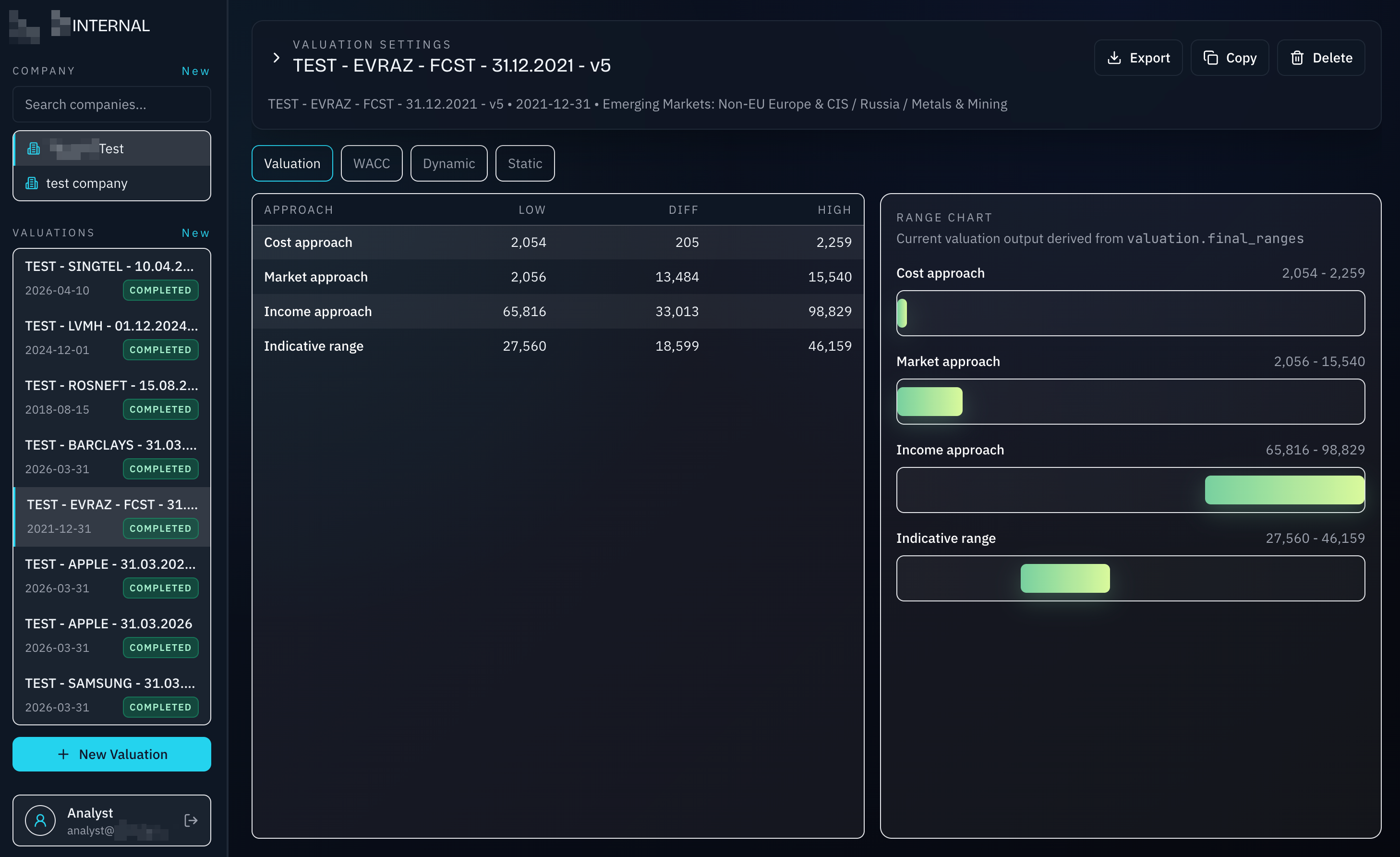
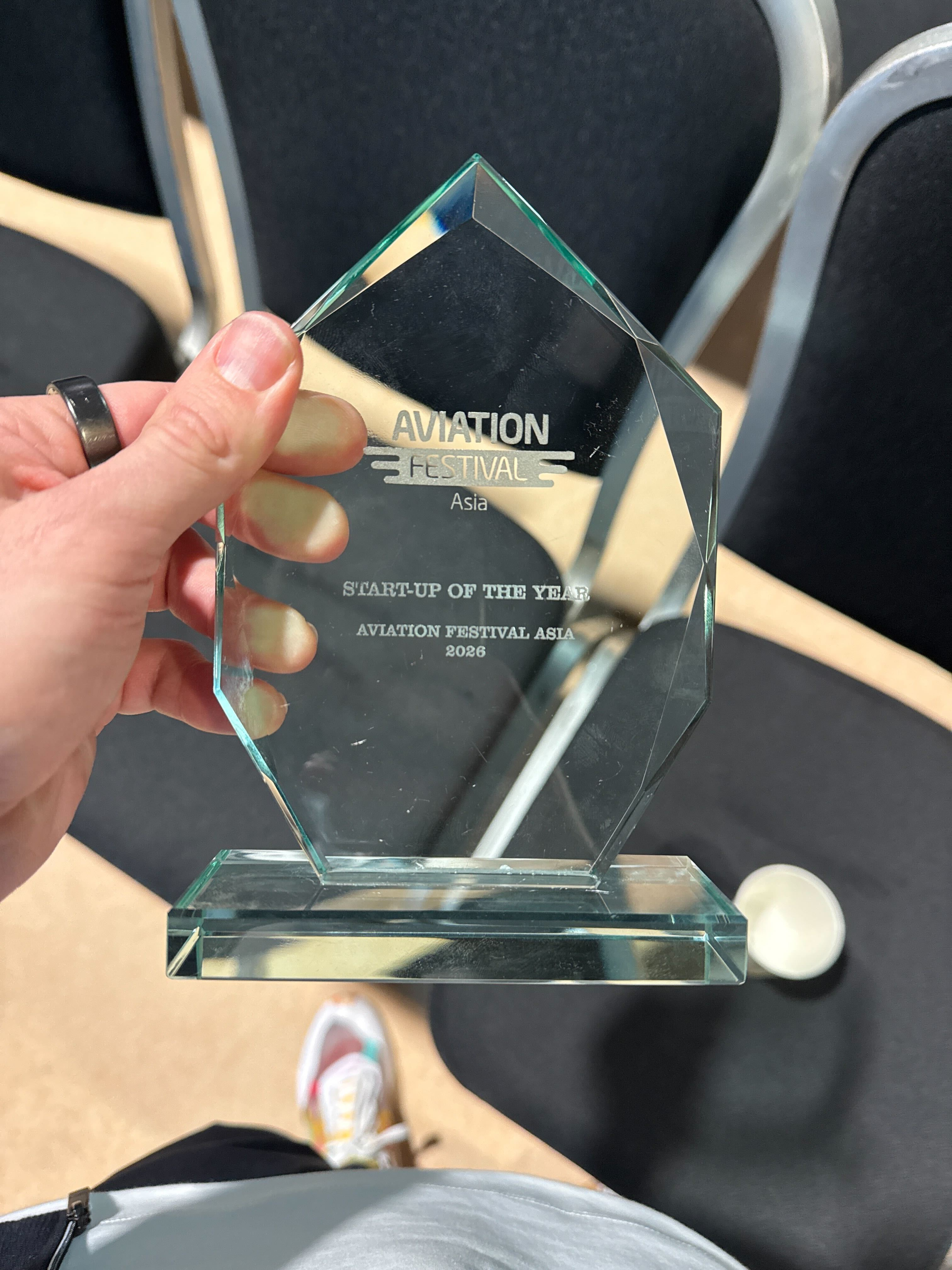
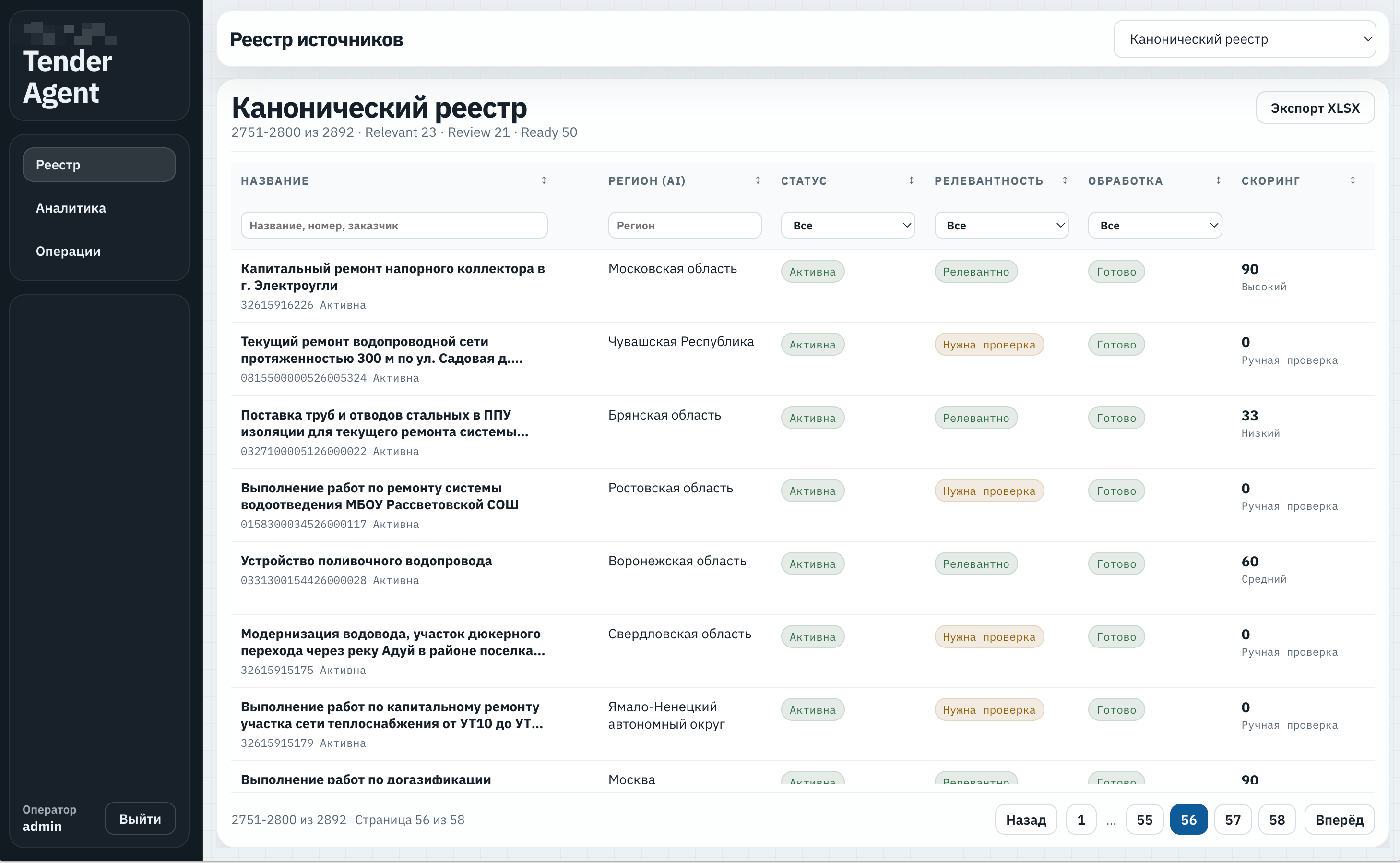
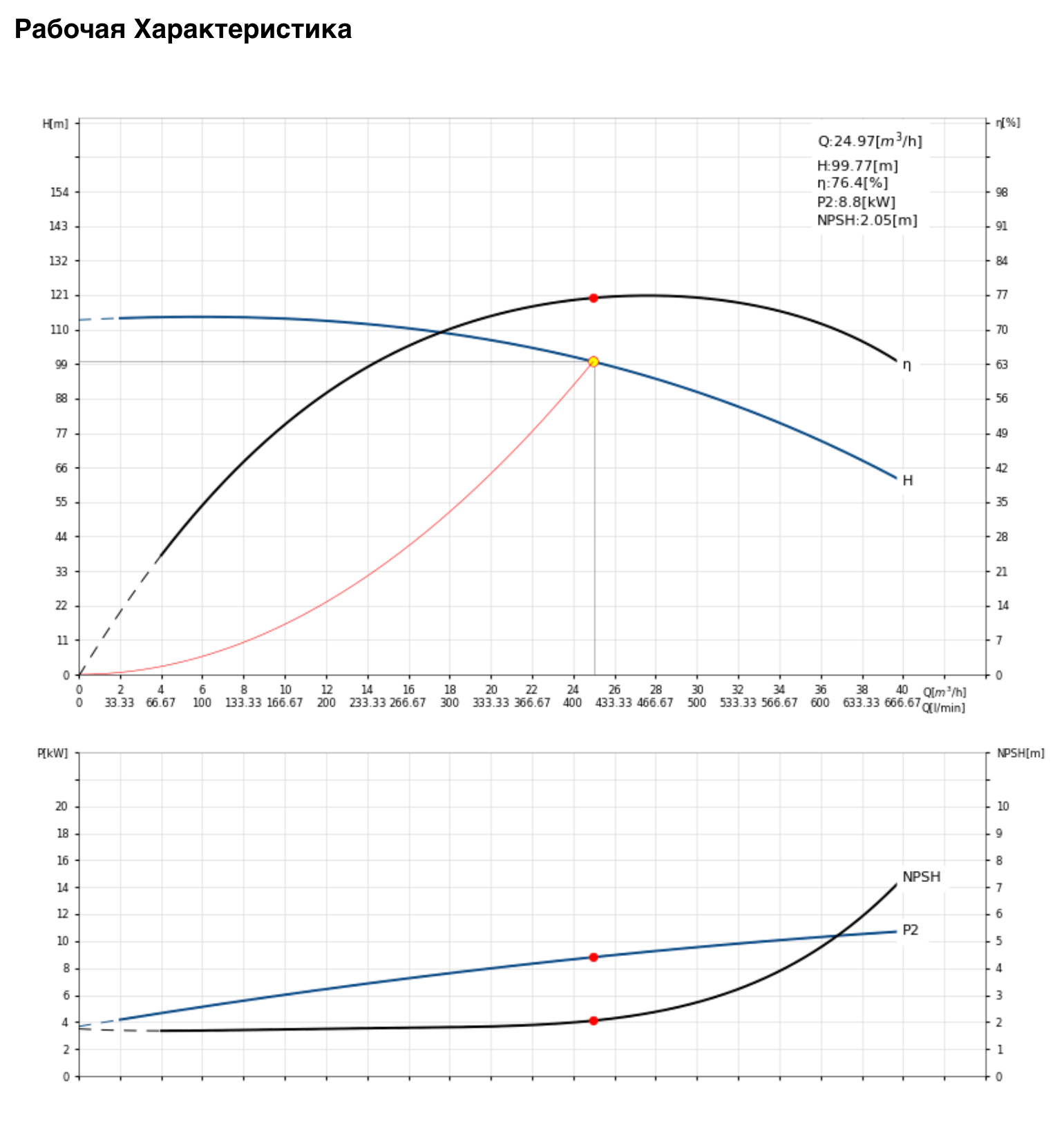
Every stage is an exit point with a ready artifact in hand. You can stop, re-plan, or continue.
Goal, stakeholders, constraints, cost of error. Domain map and flow — in your language, not engineering jargon.
A minimal core on the riskiest piece. If the task isn't solvable in the current configuration — we surface it before any large investment.
After PoC we lock acceptance criteria and the decision log — based on what's actually reachable.
Minimal integration set. Evals for business stakeholders — quality in numbers that make sense to you, not just to us.
Interfaces, monitoring, evals as a tool for ongoing development. Handed over to your team.
Full package — code, process, tools to keep developing the system.

I run all communication with the client from requirements to acceptance. I build the AI architecture myself and own technical execution. For specialized tasks, I bring in experts from my networkAlso:
Things we usually get asked on the first call
We almost always split a project into stages — this reduces risk and cost on the early side.
PoC — days to weeks. The first stage is a feasibility check at minimal investment. We strip out production scaffolding, build only the AI core, and verify the required accuracy is reachable. If it isn't — that gets fixed before any large spend.
MVP — weeks. Once feasibility is confirmed, we assemble a working system with a minimal integration set for pilot use.
Production — months. Full scaffolding: interfaces, integrations, monitoring, evals for ongoing development.
Side note: we've been working with AI-assisted development tools for ~4 years and deliver comparable quality 2–4× faster than teams just starting with them.
Technically yes. But in most cases finishing the existing prototype is worse for you than rewriting it: longer timeline, higher cost, lower reliability — usually the prototype already has the wrong architectural choices baked in, and fixing them costs more than doing it right from scratch.
Standard play: the existing system serves as a requirements reference and as a test-data generator for the new one — meaning we don't run on data from nowhere, we test the new system against real inputs and outputs from the old one. Integrations and data are reused; the core is rebuilt.
Send your case. We get the context, scope the boundaries, and agree on a PoC. PoC usually takes days to weeks — that lowers your risk on the way in.